Thursday, 20 August 2015

Individual Design Project ( Gantt Chart)

A Gantt chart is a visual representation of a project schedule. A type of bar chart, a Gantt charts show the start and finish dates of the different required elements of a project. 
A Gantt chart is constructed with a horizontal axis representing the total time span of the project, broken down into date and a vertical axis representing the tasks that make up the project. Horizontal bars of varying lengths represent the sequences, timing, and time span for each task. For example, draw a bar on the graph that represents the amount of time you expect to spend on the research, and then enter the other tasks below the first one and representative bars at the points in time when you expect to undertake them. The bar spans may overlap. Gantt charts give a clear illustration of project status, but one problem with them is that they don't indicate task dependencies. You cannot tell how one task falling behind schedule affects other tasks.
Here are some examples of Gantt chart:
Example 1

Example 2

Example 3

Exploring Mantin

Yesterday we went for a visit to Mantin which was organized by SOMAD for design students. 

Our visit started from caltex to hakka village in mantin. On this visit, we need to take pictures and record all the thing that can inspire us for our assignment. For the first stop, we went to a wet market. There, we see lots of fresh vegetable and fist there. We even saw slaughtering chicken activity live there.
Picture 1: Slautherhouse

Picture 2: Fresh fish
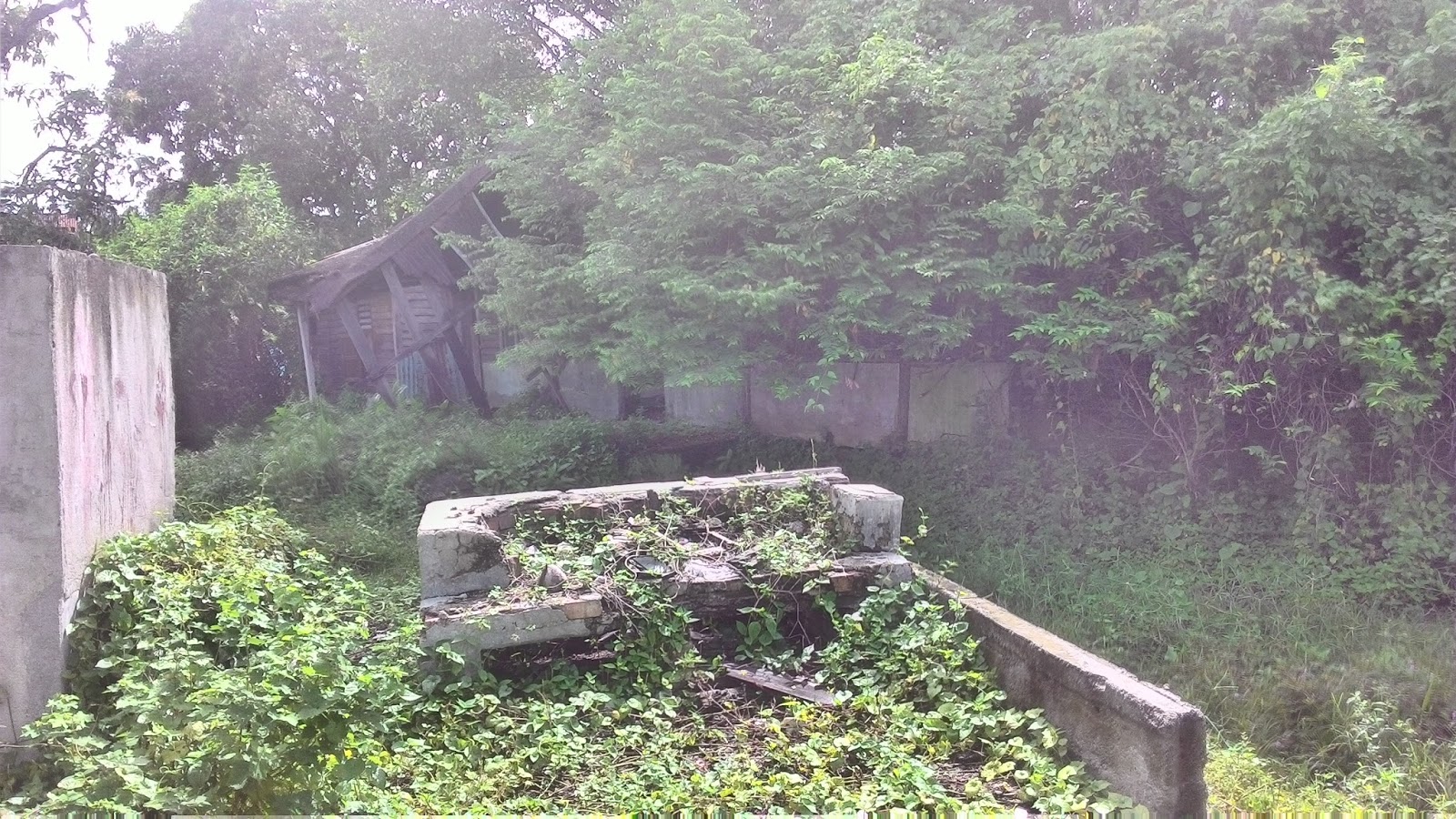
After that we went to a demolished space site. The space was huge and there were some demolished leftovers of rooms. This was a good experience for me as when i was in the demolished space, I can feel a sorrow and loneliness feeling to it.
Picture 3: Demolished Space

Picture 4: Old Wall

Picture 5: Un-demolished Stairs

Picture 6: Unexpected Image of a Human Face on a Un-demolished Wall

Lastly, We went to Hakka village. Most of the resident there are old people and there are lots of abandoned houses there.The structure of the houses there are very old and the  arrangement of the house also different which is rarely see these days. 
Picture 7: Interior of an Abandoned House

Picture 8: A Well in a House

Picture 9: Demolished House

Picture 10: Abandoned Houses


3D Character and Environment Design for Animation (Task 1 Process)

In this task, we need to choose one 3D animation short story that is not to longer than 15 minute and make an infographic of it. Therefor I choose the Monkaa, which is a tale of a clumsy monkey.

Genre: Fantasy & Comedy

Film Summary
A short comedy animation about Monkaa, a blue furred, pink faced monkey who consumes a crystal meteorite which was just landed not far from him, which makes Monkaa invincibly strong and have some super powers. Exploring his superpower, Monkaa meet up with some other animal which lead to humorous accidents

Background Design
The animation focus on a jungle look background. However for it is a fantasy animation, the background looks more unique in a cheerful way

Scene & Color
in each scene will only show a maximum of 3 characters and for the color, use lots of bright color to give more of  a cheerful and full of comedy feeling.

Audio
Use cheerful audio and sometimes show some heroic audio. Also use effect audio for making the action more realistic.

Moral Value

Knowledge is very important in life. sometimes, not knowing something will make us make decision that we are not suppose too.

Individual Design Project


Industrial livestock production systems are associated with a concentration of animals into large units, generally concentrating on a single species, large volumes of waste material, high animal health risks, and less attention to animal welfare. An industrial type of production also occurs in small units operated by specialized smallholders as part of the mixed farming system. Industrial systems are also associated with modern and efficient production techniques, requiring a high level of knowledge and skill.

Industrial systems are generally stratified and different farms specialize in e.g. the production of parent animals, the production of young animals or in the fattening process.  But integrated production also occurs.  Products from the industrial system are mainly used for the urban market with a portion being traded internationally.  Processing of the products takes place in separate enterprises (slaughterhouses, dairy plants and tanneries) and products have to comply with standardisation and specific quality criteria. The processing industry is considered as a separate system.
The system requires large areas of arable land to satisfy the requirements for high quality feed concentrates, however the system does also have the potential to absorb large quantities of by- and waste products from the food processing industry.

Monday, 3 August 2015

Interactive Design for Web Technology (Warm Up Exercise)

Choose one web site and analyse or describe the website according to the multimedia design principle.

The web site that I have selected for this warm up exercise is the Zalora Online shopping webpage.

The web is about an online shopping web for clothing and accessories (fashion) which only available in the Asian region. The web offers extensive collection for most of the top international and local brands that we can choose from.

Screenshot 1: Zalora Homepage
This is how the homepage of the web looks like. For our first impression on the screenshot 1, we already gasp what the page is about. Using the image of men and women with stylish appearance, it helps the audience know what this page is about a online shopping website for clothing.

Screenshot 2

screenshot 3
For the web (refer screenshot 2 and 3), they consistently use the white space principle. Using white space, the web will looks professional and not look messy. This will help the audience have some confidence on buying from this web because they know that they are dealing with professionals.

screenshot 4

screenshot 5
Referring to screenshot 4 and 5, they use the balance principle which they divided the page into 2 column and balancing the 2 column equally. This also make the page looks more of a work of professional.

screenshot 6

screenshot 7
For screenshot 6 and 7, they apply a combination of 2/1:1/3 rule, simplicity and consistency rule. 2/3 are to shows the image of the product that they are selling and 1/3 show the tags of the product. The tags for the product are in a consistency order to help the audience easily pick the tags of the product that they want. Combining these 2 principle create a simple look which help the audience easily understand how to use the website.


Interactive Design for Web Technology (Programme Learning Outcome and Objective)

On completion of this programme, students should be able to acquire the following programme outcome:

  1. KNOWLEDGE SKILLS - Artistic and Design Perception Component.
  2. PRACTICAL SKILLS - Student will understand how practical skill development affect their employability.
  3. INTERPERSONAL SKILLS -  Student will understand key concept on group dynamics, confilct resolution and negotiation.
  4. IMPORTANCE OF ETHICS - Student will understand proper ethic in the design practice.
  5. COMMUNICATION SKILLS - Student will understand principles if effective communication.
  6. THINKING THE PROBLEM-SOLVING SKILLS - Student exhibit critical and creative thinking, skill logical reasoning and problem solving.
  7. TECHNOLOGY LITERACY - Student will understand and adapt to changing technology by identifying, learning and applying new skill to improve job performance.
  8. EMPLOYMENT LITERACY - Student will understand career paths and strategies for obtaining employment within their chosen field.

Interactive Design for Web Technology (Learning outcome)

  1. Demonstrate the use of appropriate historical and theoretical framework and analyze various genres of web design.
  2. Apply appropriate critical tenets to specific examples of visual communication practice.
  3. Employ a range of appropriate research skill and methodologies.
  4. Identify and critically evaluate key issues in the history of web design development.
  5. Articulate reasons for the development of particular form and technique.